

 See My Latest Article on HelloNation
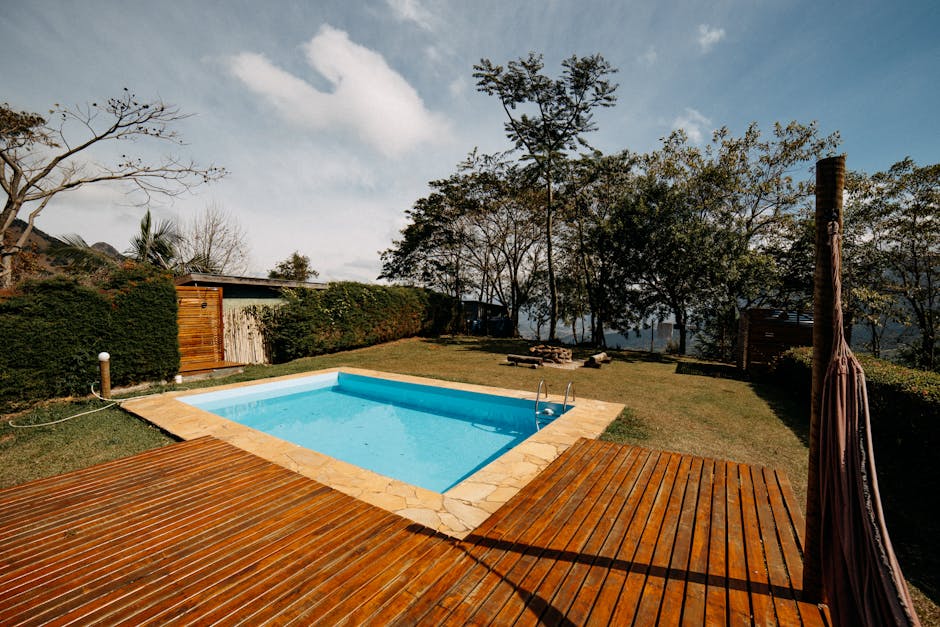
When it comes to enjoying your pool under the sunny skies of Fort Myers, FL, choosing between a saltwater and a chlorine system is a major decision. Each option has unique benefits and drawbacks, especially when you consider the distinct conditions and lifestyle of Southwest Florida. In this blog post, we'll break down the pros and cons of saltwater versus chlorine pools and how each may fit your Fort Myers outdoor living experience.
What’s the Main Difference Between Saltwater and Chlorine Pools?
Both systems aim to keep your pool water clean and safe, but they achieve this in different ways:
- Chlorine pools rely on adding chlorine (as tablets, granules, or liquid) directly to the water.
- Saltwater pools use a salt chlorine generator to convert dissolved salt into chlorine automatically.
Let’s explore how these choices affect life in Fort Myers, from maintenance routines to comfort during those long, hot summers.
Pros of Saltwater Pools
1. Gentler on Skin and Eyes
Saltwater pools are celebrated for their softer water. The lower levels of chloramines (chlorine byproducts) mean:
- Less skin or eye irritation after long afternoons in the pool.
- Swimmers, especially families with young children, often prefer the experience.
2. Reduced Chemical Handling
Fort Myers homeowners appreciate:
- Less need to purchase, store, and manually handle harsh pool chemicals.
- More convenience and safety, especially for those with pets or children around.
3. Lower Long-Term Operating Costs
Though the upfront installation of a saltwater system can be more expensive:
- Ongoing costs of buying chlorine are reduced since salt is less expensive and added less frequently.
- The system continuously generates chlorine, minimizing run-out emergencies—a plus during peak swim season.
4. Consistent Water Quality
Because the salt chlorinator runs automatically:
- Chlorine levels stay more stable, reducing risk of algae blooms in the Florida sun.
- Water clarity is usually excellent, which is a must-have for poolside entertaining in Fort Myers.
Cons of Saltwater Pools
1. Higher Initial Cost
- Installation of a salt chlorinator system and associated equipment can cost more than a traditional chlorine setup.
- Some will feel a bigger impact on their pool budget upfront.
2. Potential Equipment Corrosion
The salty environment may:
- Corrode certain types of metal pool parts and some natural stone decking if not properly sealed or maintained—important considerations in coastal areas like Fort Myers where humidity is already high.
3. More Technical Maintenance
Saltwater systems aren’t entirely “set-it-and-forget-it”:
- The salt cell needs to be inspected and cleaned regularly (every 3-6 months).
- Replacement of the salt cell is typically required every 3-5 years, adding to long-term costs.
4. Not Chlorine-Free
A common misconception is that saltwater pools are chemical-free. In truth:
- Saltwater pools are still chlorine pools—they just generate chlorine differently.
Pros of Chlorine Pools
1. Lower Upfront Costs
- Traditional chlorine systems are simple and less expensive to install.
- This makes them appealing for homeowners wanting a straightforward, budget-friendly pool setup in Fort Myers.
2. Easy Problem-Solving
- Issues like algae or cloudiness can often be addressed quickly by adding shock or balancing chemicals.
- Readily available pool supplies throughout Southwest Florida make it easy to keep water clean.
3. Greater Versatility
With no salt generator required:
- Chlorine pools can be integrated with any pool design or existing surface, reducing concerns over equipment or deck compatibility.
4. Familiarity
- Pool professionals and homeowners alike are familiar with chlorine’s properties, making troubleshooting straightforward.
- Most people know how to test and treat chlorine pools, which can simplify seasonal opening and closing.
Cons of Chlorine Pools
1. Ongoing Chemical Handling
- You’ll need to store, measure, and handle various chemicals regularly.
- This is less convenient and presents safety concerns, especially in a home with children or pets.
2. Stronger “Chemical” Smell
- Traditional chlorine pools often have a more pungent smell due to chloramines, especially when water is not well maintained.
- Swimmers are more likely to experience irritated skin and eyes after heavy use.
3. Fluctuating Chlorine Levels
- Florida’s heat and sunshine can rapidly degrade chlorine, requiring constant monitoring and adjustment.
- Spikes and drops in chlorine can lead to rapid algae growth, which is a common complaint during Fort Myers’ long swim season.
4. Higher Long-Term Chemical Costs
- Purchasing chlorine chemicals adds up over time.
- Especially in high-use periods or after heavy rainfall (a regular occurrence in the summer months), you’ll find yourself using—and paying for—more product.
What’s Better for Fort Myers Lifestyle?
Both systems can work well in Southwest Florida, but consider these Fort Myers-specific factors:
- Outdoor Activity: For families who use the pool almost daily, saltwater’s gentler feel stands out.
- Local Water Quality: Hard water in some neighborhoods may affect the maintenance needs of both systems—regular testing is key.
- Humidity and Sun Exposure: The intense UV rays will break down chlorine in both systems, but saltwater pools maintain steadier chlorine levels.
Conclusion
If you value soft water and less day-to-day chemical handling, a saltwater pool might be the right choice for your Fort Myers home. If keeping costs down up front and having hands-on control of your water chemistry is more your style, a chlorine pool remains a tried-and-true option.
No matter which system you choose, maintaining proper balance and regular maintenance are vital for your pool’s longevity and your family’s health. Consulting a local pool contractor familiar with Fort Myers’ unique climate can help you make an informed decision tailored to your backyard paradise.