

 See My Latest Article on HelloNation
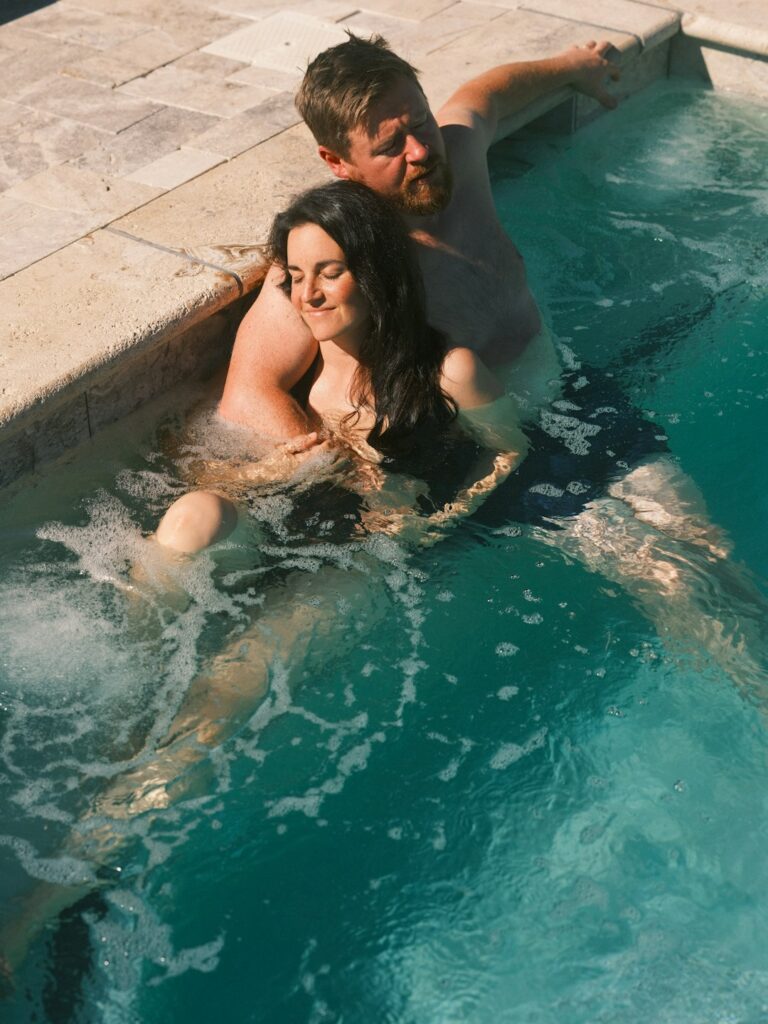
Adding a spa beside a pool can make an outdoor living area more comfortable, flexible, and useful throughout the year. For households in Fort Myers, where pools are often part of everyday life rather than occasional recreation, a spa may provide benefits that a swimming pool alone does not.
The value depends on how the space will be used, how much maintenance is acceptable, and whether the property can support the added equipment, structure, and operating costs.
How does a spa expand the use of a pool area?
A spa creates a separate setting for relaxation, conversation, and warm-water therapy. The pool may be better suited to swimming, exercise, cooling off, and active family use, while the spa offers a quieter place to sit.
That separation can make the entire outdoor area more practical. For example:
- Adults can relax in the spa while children use the pool.
- Guests can gather in warm water without occupying the main swimming area.
- A household can use the spa during cooler evenings when the pool feels less comfortable.
- Someone who does not swim can still enjoy the outdoor space.
A spa also allows different activities to happen at the same time. This can be especially useful during family gatherings, holidays, or informal visits when not everyone wants the same temperature or level of activity.
Is a spa useful during cooler weather in Fort Myers?
Yes. Even in a warm climate, evenings and overnight temperatures can become noticeably cooler during the winter season. A heated spa generally reaches a comfortable temperature more quickly than a full-size pool, making it more practical for shorter periods of use.
The main advantage is not that the spa replaces the pool during cold weather. Rather, it offers another option when the pool is too cool for casual soaking but the weather is still pleasant enough to spend time outdoors.
A spa may also be useful during transitional weather in spring and fall. Pool water can take longer to warm naturally, while a smaller spa can be heated for a particular evening or weekend.
Energy use still matters. Frequent heating, uncovered water, poor insulation, and inefficient equipment can increase operating costs. A well-fitted cover is one of the simplest ways to reduce heat loss when the spa is not being used.
Can a spa provide health and comfort benefits?
Warm water may help loosen tight muscles and make light stretching more comfortable. Some people also find that soaking helps them unwind before bedtime or recover after physical activity.
These benefits are general comfort advantages, not medical treatment. A spa should not be used as a substitute for advice from a healthcare provider, particularly by people with heart conditions, circulation concerns, pregnancy-related questions, or other health risks.
Practical comfort can also come from the water movement. Carefully positioned jets may provide a massaging sensation around the shoulders, lower back, or legs. More jets do not automatically mean a better experience, however. Jet placement, water pressure, seating depth, and the ability to sit comfortably often matter more than the total number of outlets.
A spa can also support low-impact movement. Gentle leg extensions, shoulder motion, and stretching in warm water may feel easier than similar activity on land, although users should avoid overexertion and prolonged exposure to high temperatures.
Does adding a spa increase maintenance?
A spa adds maintenance rather than eliminating it. The smaller water volume can make chemical changes happen quickly, so testing and adjustment may need to be more frequent than with a pool.
Common maintenance considerations include:
- Water testing and chemical balancing
- Filter cleaning and replacement
- Surface cleaning
- Monitoring sanitizer levels
- Managing water temperature
- Periodic draining and refilling
- Cleaning or inspecting the cover
Because spa water is warm, it can create conditions that require close attention to sanitizer and circulation. Bather load also has a strong effect. Several people using a spa can introduce oils, sweat, lotions, and other contaminants into a relatively small amount of water.
In a humid coastal climate, outdoor equipment and covers are also exposed to moisture, salt in the air, windblown debris, and intense sunlight. Good drainage, durable materials, and routine inspection can help limit premature wear.
How can a spa affect water and energy costs?
A spa usually uses less water than a pool, but heating it can require substantial energy. The cost depends on the size of the vessel, desired temperature, usage frequency, heating method, insulation, weather, and whether the cover is used consistently.
A few design and operating choices can improve efficiency:
- Choose a size that matches the number of regular users.
- Use a properly fitted insulated cover.
- Avoid leaving the spa uncovered while heating.
- Limit unnecessary temperature increases.
- Keep equipment clean and operating correctly.
- Consider how the spa will be used before selecting heating capacity.

A larger spa may provide more seating, but it also holds more water and may take more energy to heat. Oversizing can add cost without improving the experience if the household usually uses the spa with only one or two people.
What design details matter most?
The spa should be planned as part of the entire pool area rather than treated as an afterthought. Its location affects privacy, walking routes, views, drainage, access to equipment, and the relationship between the pool and the home.
Several layout questions deserve attention:
Should the spa be attached or separate?
An attached spa shares some structural and circulation features with the pool and can create a unified appearance. A separate spa may provide more flexibility in placement and can sometimes be easier to use independently.
The right choice depends on the property layout, existing pool structure, access limitations, and local construction requirements.
Is a raised spa easier to use?
A raised spa can provide a visual transition between areas and may create a convenient seating edge. It can also affect entry and exit, so the height and step arrangement should be evaluated carefully.
How important is shade?
Shade can improve daytime comfort, but overhead structures must be designed for wind, drainage, and long-term exposure. In this region, outdoor features should be evaluated for heavy rain, strong storms, and the possibility of windborne debris.
What about privacy?
A spa is often used for longer periods of sitting and conversation, so privacy may matter more than it does for a swimming pool. Fencing, landscaping, screens, and the orientation of seating can help without making the area feel enclosed.
Are there safety issues specific to spas?
Yes. Hot water can affect the body more quickly than a cool swimming pool. Users should follow posted temperature guidance, avoid alcohol-related use, take breaks, and supervise children closely. Young children can overheat quickly and should not use a spa without careful adult supervision.
A spa also needs safe entry and exit points, slip-resistant walking surfaces, adequate lighting, and clear access around the vessel. Electrical components, bonding, barriers, and other safety features must comply with applicable requirements. Construction or major modifications may also involve permits and inspections, depending on the project.
The cover should be strong, secured, and used whenever the spa is not occupied. It is not a substitute for supervision, but it can reduce access, heat loss, and debris.
Is a spa worth adding to an existing pool?
A spa is most worthwhile when the household expects to use it regularly for relaxation, warm-water soaking, socializing, or cooler-weather outdoor time. It may be less practical when the pool area has limited space, the household rarely uses heated water, or maintenance and energy costs are a major concern.
Before making a decision, consider:
- How many people will use the spa at one time
- Whether evening or winter use is important
- Available space for safe circulation and equipment
- Drainage and access limitations
- Electrical, plumbing, structural, and permit requirements
- The ongoing cost of heating and maintenance
- Whether the existing pool system can support the addition
A thoughtful plan can make the spa feel like a natural extension of the outdoor living area. The strongest benefit is often flexibility: the pool supports active recreation, while the spa provides a smaller, warmer setting for relaxation and social use.