

 See My Latest Article on HelloNation
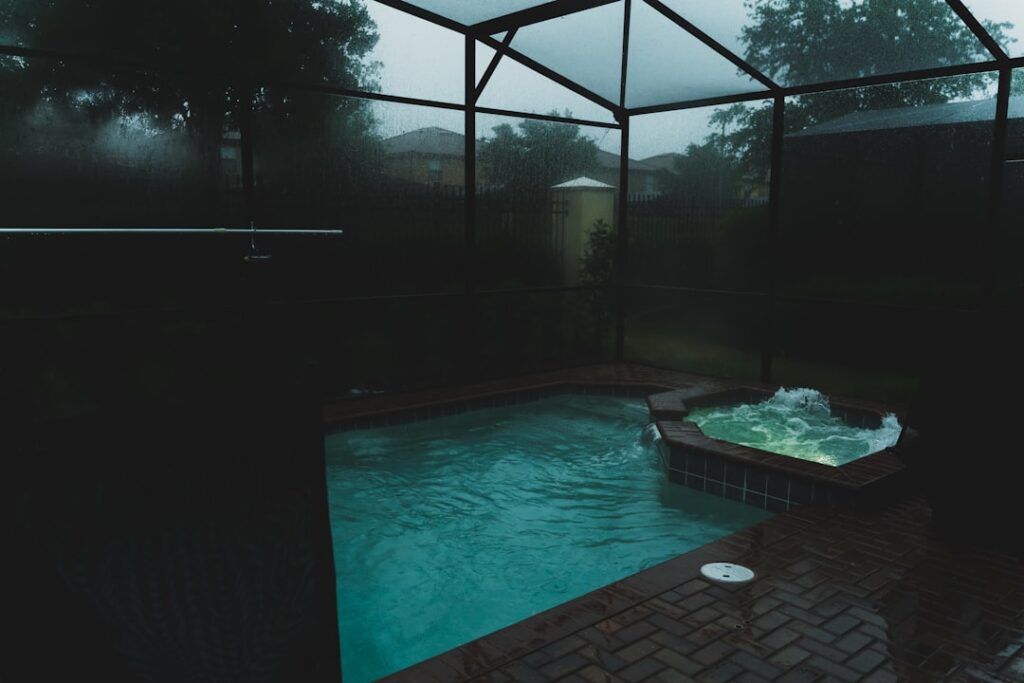
What Makes a Pool "Eco-Friendly" in Fort Myers, FL?
An eco-friendly pool in the Fort Myers area is designed or operated to significantly reduce water waste, use less energy, and minimize chemical use, while still staying safe and enjoyable for local families. Given the subtropical climate and year-round swimming in the city, efficient pool systems matter both for environmental impact and for cost savings.
Fort Myers pool owners often deal with heavy sun exposure, seasonal rains, and the challenge of high evaporation rates. Eco-friendly solutions target these concerns with practical strategies that work for the local environment.
How Can Pool Owners in Fort Myers Reduce Energy Use?
Pools in the city consume a notable amount of electricity—mainly for pumps, heaters, and lighting. Reducing this demand is one of the simplest ways to make a pool more sustainable.
- Variable-speed pumps: These pumps allow users to adjust speed based on actual needs. They use less energy during routine filtration, which adds up in a climate where pumps may run nearly year-round.
- LED lights: Swapping out traditional pool lighting for LED fixtures lowers energy use and lasts longer, reducing maintenance as well.
- Efficient heaters: Solar pool heaters are popular in Fort Myers because of the abundant sunshine. Heat pumps, which draw warmth from the air, are also efficient in this climate.
Most local pools can retrofit at least some of these features without major reconstruction. Even adjusting the run times of current equipment, especially during off-peak hours, can lead to measurable energy savings.
What Are the Best Water Conservation Methods?
Water loss is a common concern for pools across Fort Myers. High evaporation rates, seasonal wind, and heavy use all contribute to substantial water waste, which can stress both private wells and city water systems.
Key strategies include:
- Pool covers: Using a cover when the pool is not in use greatly reduces evaporation. In Fort Myers, even simple floating covers can save thousands of gallons per year.
- Leak detection: Undetected leaks can waste significant water. Routine checks, especially after storms, help ensure any issues are caught early.
- Backwashing practices: Many local pool filters require periodic cleaning by backwashing, which can waste water. Backwashing only as needed, instead of on a set schedule, minimizes excess use.
Some residents may also install rainwater diversion around the pool area—not for direct use in the pool (which isn’t allowed for health reasons), but to help landscape and ease local runoff concerns.
Are "Natural Pools" Practical in the City?
Natural pools, which use plant-based filtration instead of chemicals, are an option growing in interest. In Fort Myers, the concept is possible but does require consideration of local weather, pests, and city codes.
These pools use two zones: one for swimming, and another for plants that naturally filter water. Well-designed natural pools can blend into landscaping and attract local wildlife. However, they typically take more yard space than standard pools and may require more attentive maintenance to manage algae, mosquitoes, and debris in a subtropical climate.
Most existing residential pools can’t be converted directly, but for new builds, this approach offers a chemical-free swimming solution. Residents should check with relevant local authorities about compliance before proceeding.
How Can Chemical Use Be Minimized?
Chlorine and other standard pool chemicals can impact both human health and the local environment if overused. Reducing reliance on harsh chemicals is often a top priority for eco-conscious residents.
- Saltwater systems: These systems generate chlorine naturally from salt, resulting in lower, more stable chlorine levels. They require less chemical handling and can be gentler on skin and eyes.
- Ozone and UV systems: Supplemental disinfection like UV or ozone units add a layer of purification, which means less chlorine is needed to maintain safe water. These systems are well-suited to the warm climate, which can otherwise accelerate algae growth.
- Regular testing: Testing water frequently allows for more precise, minimal chemical dosing, avoiding overuse. Smart sensors and digital test kits are accessible tools for modern pool owners.
If using alternatives, area residents need to ensure water still meets safety standards, especially after storms or periods of heavy use.

What Local Landscaping Choices Support an Eco-Friendly Pool?
The right landscaping can boost a pool’s sustainability while adding to a home’s curb appeal. In Fort Myers, native and drought-tolerant plants work best around pools.
Key tips:
- Native plants: These species require less irrigation and are naturally adapted to the region’s rainy summers and dry winters.
- Windbreaks: Small trees or hedges can shield pools from gusty winds that speed up evaporation, making covers and water conservation efforts more effective.
- Permeable surfaces: Decking and borders made with permeable materials help reduce stormwater runoff and support groundwater recharge.
Residents often find that improving landscaping not only supports a pool’s sustainability but also helps with pest control and overall yard maintenance.
What Mistakes Should Local Pool Owners Avoid?
A few common errors can undermine eco-friendly efforts:
- Overfilling the pool, which raises the waterline to the coping, accelerating splash-out and evaporation.
- Running pumps or heaters far longer than needed. Many local pools don’t need to run filtration systems all day, especially with well-managed water chemistry.
- Skipping regular maintenance, which can result in leaks, more frequent backwashing, and excessive chemical use.
Staying proactive and conscious of small habits often produces the best results for area homeowners.
Are There Any Local Ordinances or Programs for Green Pool Practices?
While there are no mandatory eco-pool rules specific to Fort Myers, local water authorities periodically issue reminders about water conservation, especially during drought. Adhering to general water-use guidelines and choosing responsible landscaping around pools support community efforts, as does proper disposal of pool waste water (never draining pools directly into the city’s storm drains or natural water bodies).
Community forums and neighborhood groups can also offer tips and sometimes tools, such as pool cover loan programs, especially during water restrictions.