

 See My Latest Article on HelloNation
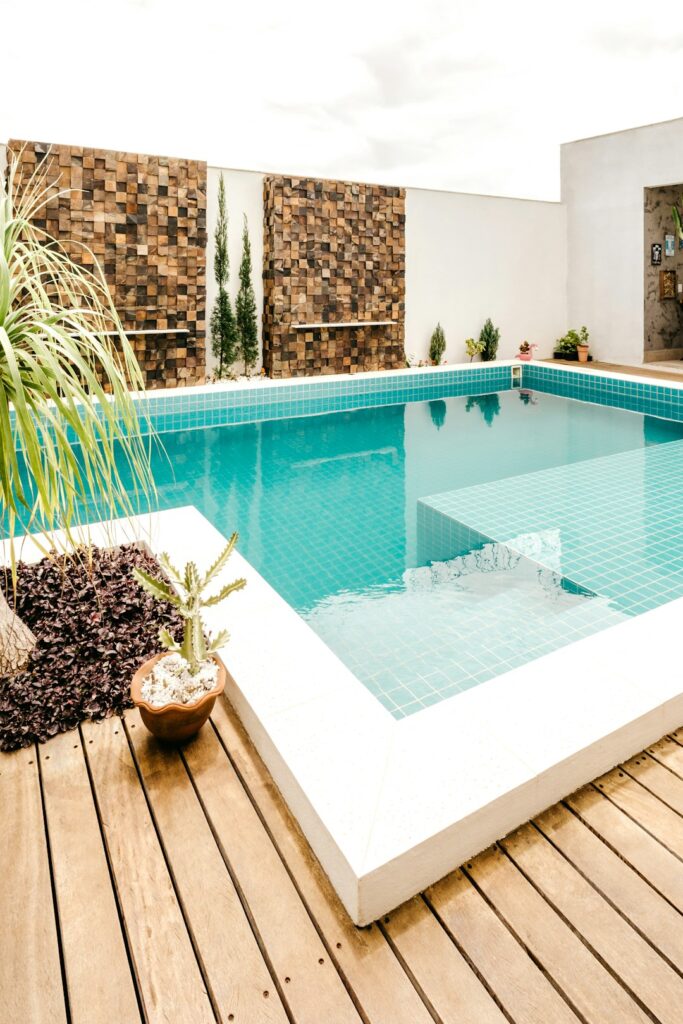
Why Are Pool Permits Required in Fort Myers, FL?
Permits are required to ensure all pools built in Fort Myers meet safety and building codes designed to protect both homeowners and the wider community. These regulations help reduce risks of injury, flooding, utility damage, and disputes between neighbors. By having a permit, homeowners can be more confident that their pool project follows structural, electrical, and plumbing standards tailored for the region's climate and soil conditions.
What Types of Pools Need a Permit?
Any permanent structure—such as in-ground swimming pools, spas, or substantial above-ground pools—typically requires a permit in the city. Temporary or inflatable pools under a certain depth and without permanent electrical or plumbing connections may not, but it’s always best to verify before starting.
Projects needing a permit often include:
- In-ground concrete, vinyl, or fiberglass pools
- Permanent above-ground pools above a certain capacity or depth (usually more than 24 inches deep)
- Structural modifications or repairs to existing pools
- Adding exterior pool-related features like screening, fencing, or electrical systems
What’s the Application Process Like?
The pool permit process in Fort Myers begins with submitting detailed plans to the city’s permitting office. Residents fill out application forms and submit drawings that detail the proposed pool’s size, location, depth, and proximity to property lines, buildings, and utilities. If the pool involves electrical, gas, or plumbing changes, separate permits may be required for those systems.
Typical requirements include:
- A scaled site plan showing distances to lot boundaries, easements, and nearby structures
- Engineering or architectural drawings for complex features
- Details about fencing, barriers, or alarms to meet safety requirements
Once submitted, city inspectors review plans for code compliance. If revisions are needed, feedback is given before moving forward. Upon approval, construction may begin under periodic inspections.
What Local Rules Should Residents Be Aware Of?
Local ordinances in Fort Myers go beyond statewide building codes, reflecting the area’s flood risk, high rainfall, and neighborhood layouts. Common requirements include:
- Barrier Regulations: All new pools must have a fence, wall, or safety barrier to prevent unauthorized access. Gates must be self-latching and meet height standards.
- Setback Rules: Pools usually must be a minimum distance from property lines, utility easements, and existing buildings.
- Drainage Considerations: The city monitors runoff potential to avoid flooding neighbors or damaging infrastructure. Plans must often show how pool water will be safely drained.
- Electrical Codes: Equipment connections need compliance with both safety codes and local utility guidelines, protecting against electric shock and accidents.
- Enclosures: Many pools are enclosed with screened cages to reduce debris and insects due to the region's climate—a feature often reviewed in the application.
How Long Does a Permit Approval Take?
The timeline for approval depends on project complexity and the completeness of the submission. Most residential pool projects, when plans are complete, take several weeks from application to permit issuance. Delays are common if revisions or clarifications are needed. Inspections during and after construction add extra days at key project stages.
Common Misconceptions About Pool Permits
Several myths circulate about pool permitting. Clarifying these saves time and risk:

- “Above-ground pools don’t need permits.” Larger, permanent above-ground pools often do—especially if involving electrical or plumbing.
- “If my neighbor didn’t get a permit, I don’t need one.” Failing to get a permit risks code violations, fines, or forced removal—even years later, like during a home sale.
- “A permit covers everything.” Separate permits may still be needed for fences, decks, or utility work; it’s not just one application for everything.
- “Backyard privacy means no rules.” Local codes exist to protect both individual households and community safety, regardless of property privacy.
What Happens If a Pool Is Built Without a Permit?
Constructing a pool without the proper permit can lead to costly consequences:
- Required removal or retrofitting of the unauthorized structure
- Fines from the city, which may accumulate daily until resolved
- Issues selling the property, as unpermitted work must often be disclosed and corrected
- Potential hazards if important safety, electrical, or structural checks were missed
Correcting unpermitted work is usually more expensive and challenging than following the process from the start.
Practical Advice for Homeowners
- Always check local rules early, even if planning a small or seasonal project—requirements vary by pool type and features.
- Review the city’s permitting website or speak directly with municipal staff for the current forms and fees.
- Choose pool locations and designs that account for property layout, drainage, and access for inspections.
- Plan for several inspections during construction—one before work begins, others at phase milestones, and a final approval at the end.
Taking time to understand local permitting makes pool ownership smoother, safer, and less stressful for any household in Fort Myers.