

 See My Latest Article on HelloNation
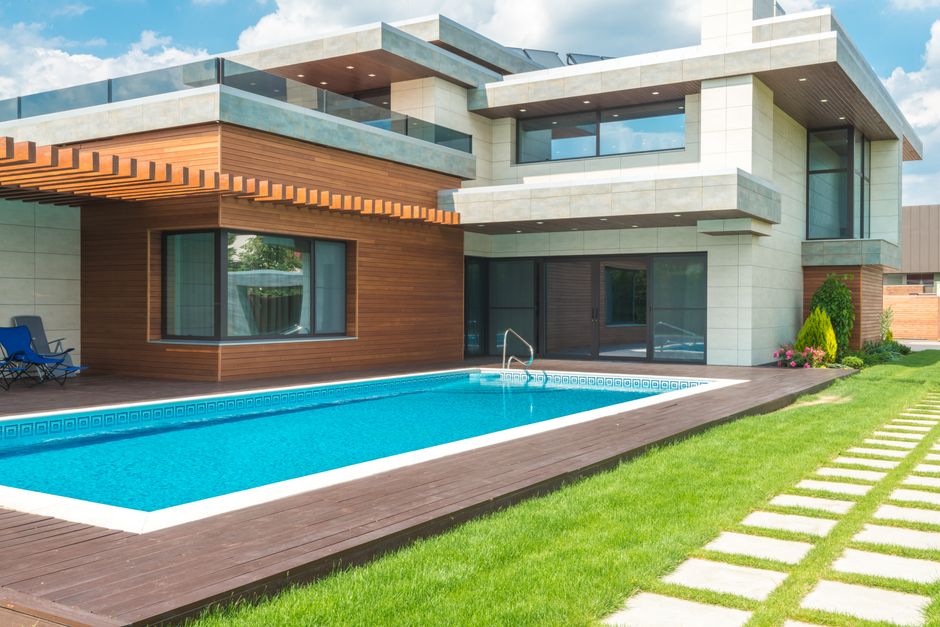
Choosing a pool shape is less about selecting a style from a catalog and more about fitting water, movement, safety, and maintenance into the space already available. In Fort Myers, FL, the right design should also account for intense sun, seasonal rainfall, outdoor living habits, existing landscaping, and the practical limits of a residential lot.
Which pool shape works best for a typical backyard?
The best pool shape is the one that supports the household’s main activities while leaving enough room for safe circulation, equipment, drainage, and outdoor use. A visually appealing shape can become frustrating if it creates narrow walkways, awkward furniture placement, or unused water area.
Before comparing shapes, measure the usable yard rather than the entire property. Account for:
- The house, lanai, patio, and outdoor doors
- Existing trees, large roots, drainage features, and utility access
- Property lines, easements, and required setbacks
- Space for pool equipment and service access
- A safety barrier or enclosure
- Decking, seating, shade, and walking paths
A smaller, well-proportioned pool often functions better than a larger pool squeezed into the available area.
Are rectangular pools the most practical choice?
Rectangular pools are often the most efficient option for swimming, lap exercise, automatic covers, and straightforward furniture layouts. Their clean lines can also work well with homes that have a geometric patio, screened enclosure, or extended outdoor living area.
A rectangle is especially useful when the pool will serve several purposes. One section can be used for swimming, while another can accommodate steps, shallow lounging, or a bench. The shape also makes it easier to estimate swimming distances and organize the surrounding deck.
The main limitation is that a strict rectangle may feel too formal in a compact or irregular yard. Sharp corners can also become less useful when the pool must curve around a lanai, planting bed, or existing structure.
When is a freeform or kidney-shaped pool a better fit?
Freeform pools are useful when the yard has irregular boundaries or when the goal is a more relaxed, landscape-oriented appearance. Curves can soften the transition between the pool, deck, planting areas, and existing architecture.
A kidney-shaped pool may create a natural division between swimming and lounging. The narrower middle section can separate activities without requiring a wall or raised feature. Freeform designs can also make a small space feel less rigid by avoiding a box-like layout.
However, curves use space less efficiently than straight lines. They may reduce uninterrupted swimming length, complicate automatic cover options, and create more varied water circulation patterns. The surrounding deck can also become harder to furnish if the curve is tight or uneven.
What is the advantage of an L-shaped pool?
An L-shaped pool can serve two distinct purposes in one footprint. The longer section may provide room for swimming, while the shorter section can be used for children, steps, a tanning ledge, or a separate conversation area.
This shape can work well when the pool must fit beside a home and around an existing outdoor structure. It may also create a natural visual separation between active and quiet areas.
The inside corner requires careful planning. If it is too narrow, it can collect debris or become difficult to clean. If the two sections have different depths, the transition should be clearly visible and easy to navigate. An L-shaped pool is most successful when the corner has a clear function rather than being added only for appearance.
How should household activities influence the shape?
Pool shape should follow intended use. A family focused on swimming will need a longer, clearer section than a household primarily interested in relaxing and entertaining.
Consider these common uses:
- Swimming and exercise: Favor a longer rectangle or modified rectangle with unobstructed length.
- Children’s play: Include broad shallow areas, visible steps, and simple sightlines from the house.
- Lounging: Consider a tanning ledge, bench, or wider shallow section rather than maximizing total depth.
- Entertaining: Leave enough deck space for movement, seating, serving areas, and access to the home.
- Mixed use: Use zones within the shape instead of adding many separate features that reduce usable water area.
A pool designed for entertaining should not consume every inch of the yard. In warm weather, people often spend as much time around the pool as in it.
How do Fort Myers weather and site conditions affect pool shape?
The local climate makes shade, drainage, and storm preparation important parts of shape selection. Heavy seasonal rain can expose poor grading or undersized drainage routes, especially when a pool and large deck replace absorbent yard area.
A design should direct surface water away from the house and prevent low points from collecting runoff. Curved or irregular decks are not automatically better for drainage; the finished slopes and surrounding grades matter more than the outline alone.
Strong sun also affects how the pool is used throughout the day. A shape that places a tanning ledge or seating area where shade can be added may be more comfortable than a design that maximizes open water. Consider the position of the house, screen enclosure, trees, and possible shade structures before finalizing the outline.
Storm readiness is another practical concern. The pool shape itself does not prevent storm damage, but the surrounding design should allow furniture, umbrellas, toys, and loose equipment to be secured before severe weather. Equipment access and drainage should remain practical after installation.
Does a pool shape affect maintenance?
Yes. Simple shapes usually make cleaning, circulation, chemical distribution, and cover use easier. Tight inside corners, narrow coves, and abrupt changes in width can create areas where leaves or debris settle.
This does not mean freeform pools are difficult to maintain. It means the circulation system, returns, skimmers, cleaning equipment, and finish details need to be planned around the geometry.
Ask how the proposed shape will affect:
- Robotic or automatic cleaning paths
- Placement of skimmers and return inlets
- Safety-cover fit and storage
- Visibility across the pool
- Access to drains, lights, and steps
- Water replacement and overflow management
A dramatic outline that adds little usable function may create extra maintenance without improving the swimming experience.
What safety features should be considered during shape planning?
Safety should influence the layout before the shape is finalized. Florida residential pools require an approved safety approach, and the selected barrier must meet applicable state and local requirements. The barrier may involve an enclosure, fence, alarms, a safety cover, or another permitted feature, depending on the design and current rules.
Shape affects visibility and supervision. Avoid layouts that hide a deep section behind a raised wall, planting bed, oversized feature, or sharp curve. Steps and shallow areas should be easy to see from common indoor and outdoor locations.
For households with children or older adults, consider gradual entries, handholds, contrasting depth markers, non-slip walking surfaces, and a clear route between the house and the water. Safety is not limited to the pool interior; slippery transitions, narrow deck paths, and poorly placed gates can also create hazards.
How can homeowners compare designs before construction?
Draw the proposed pool outline on a scaled site plan, then mark furniture, walking routes, doors, gates, trees, and equipment areas. Measurements written on paper are useful, but a full-size layout made with marking paint or temporary stakes can reveal problems that are easy to miss on a screen.
Walk the space from the kitchen, living areas, bedrooms, outdoor seating, and yard access points. Check whether adults can move around the pool without crossing narrow corners. Imagine where wet swimmers will walk, where guests will sit, and where maintenance equipment will be stored.
The strongest design is usually not the most unusual shape. It is the one that provides a comfortable swimming area, sensible deck space, clear supervision, manageable maintenance, and room for the yard to function as a whole.