

 See My Latest Article on HelloNation
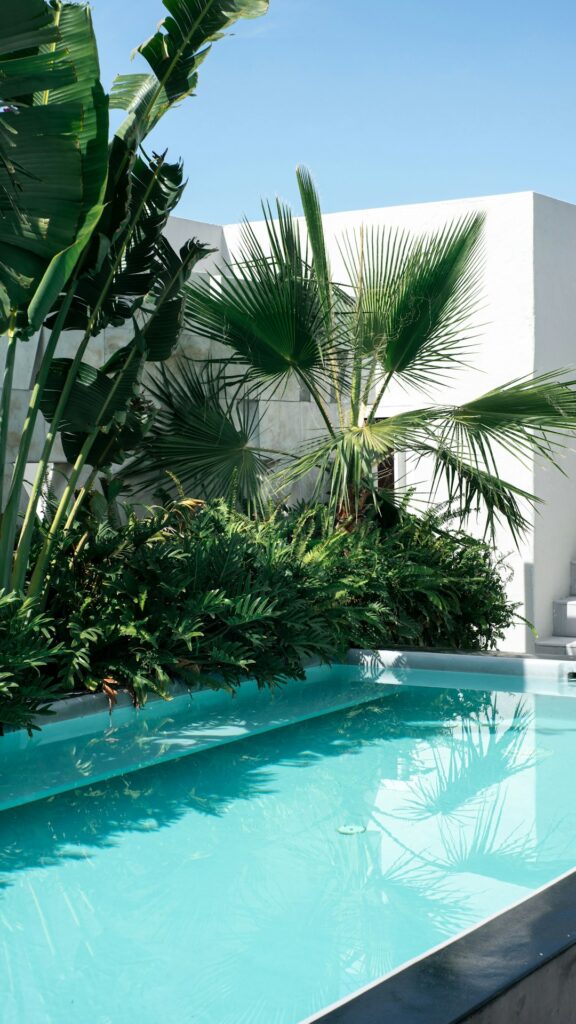
What makes pool landscaping practical in Fort Myers, FL?
The best pool landscaping combines shade, drainage, low maintenance, and safe movement around the water. In this climate, plant selection also needs to account for intense sun, heavy seasonal rainfall, humidity, occasional salt exposure, and storm-related wind.
A pool area should look inviting, but appearance is only one part of the design. The landscape should keep leaves and loose mulch out of the water, allow rain to drain away from the pool, and leave enough open space for walking, cleaning, and emergency access.
Which plants are suitable around a pool?
Choose plants that tolerate heat, bright light, occasional drought, and splashing from treated pool water. Plants with fine leaves, controlled growth, and limited fruit or flower drop are often easier to maintain than messy trees or shrubs.
Useful categories include:
- Clumping ornamental grasses that hold their shape in wind
- Salt-tolerant shrubs for exposed areas
- Palms with noninvasive root habits and manageable litter
- Low-growing ground covers away from the pool edge
- Container plants that can be moved before severe weather
- Small flowering plants that do not attract excessive bees near busy swimming areas
Avoid placing thorny plants, brittle branches, heavy-seeding shrubs, or trees with aggressive roots immediately beside the deck. A plant may be attractive at installation but become difficult once it reaches mature size.
Before planting, check the expected height and spread. A shrub that grows several feet wide can eventually crowd the deck, block equipment access, or shade a section of the pool that was intended to receive sunlight.
How should trees and shade be planned?
Trees can make a pool more comfortable, but large canopy trees should usually be placed far enough away to reduce leaf drop, root conflicts, and storm concerns. Medium-height trees positioned beyond the main deck can provide afternoon shade without hanging directly over the water.
A layered approach often works well:
- Use a tree or taller planting outside the primary pool circulation area.
- Place medium shrubs along fences or property edges.
- Keep low plants near the deck where they will not obstruct views.
- Leave a clear zone around gates, ladders, steps, and pool equipment.
Shade structures, pergolas, or umbrellas can provide more predictable coverage than trees. They also allow homeowners to control shade without introducing roots and falling debris near the pool.
In a storm-prone area, inspect trees each year for dead limbs, weak branch connections, and excessive leaning. Loose furniture, decorative pots, and lightweight planters should be secured or stored before strong winds.
What is the best way to handle drainage?
Pool landscaping should direct rainwater and irrigation runoff away from the pool and toward suitable drainage areas. Water should not be allowed to wash soil, mulch, fertilizer, or grass clippings across the deck and into the water.
This is especially important during the wet season, when intense rain can overwhelm poorly graded planting beds. Common solutions include:
- Sloping hardscape slightly away from the pool
- Using planted areas or permeable surfaces to absorb rain
- Installing discreet channel drains where water naturally collects
- Keeping downspouts from discharging onto the pool deck
- Stabilizing bare soil with suitable ground cover
- Separating planting beds from the deck with a defined edging detail
Drainage should be considered before adding decorative rock, raised beds, or new paving. A beautiful planting area can still create problems if it traps water against the pool structure, home foundation, or deck.
Should mulch or gravel be used around a pool?
Both can work, but neither should be placed where it can easily wash or blow into the pool. Lightweight mulch may scatter during storms, while small gravel can be carried onto the deck by feet and become uncomfortable or hazardous underfoot.
If mulch is used, keep it in contained beds away from the immediate pool edge. Coarser materials are generally less likely to become airborne than very light mulch, but every material should be evaluated for drainage, heat retention, and maintenance.
Decorative stone can provide a clean border, though it may become hot in direct sun. It also needs an edge that prevents pieces from migrating into walking areas. Around steps and high-traffic routes, a stable, smooth surface is usually more practical than loose material.
How much space should remain around the pool?
Leave enough room for people to walk comfortably without brushing against plants or stepping into planting beds. The exact clearance depends on the pool layout, deck width, furniture, gates, and safety features, but narrow strips packed with shrubs often create maintenance and safety problems.
Keep the following areas open and easy to see:

- Pool entrances and exits
- Steps, ladders, and handrails
- Safety gates and pathways
- Equipment panels and access doors
- Areas used for cleaning or covering the pool
- The route between the house and the pool
Avoid plants that conceal the water’s edge or create blind corners. Clear sightlines are valuable when children or guests are using the pool.
What landscaping reduces pool maintenance?
The most effective design limits debris at the source. Plants that shed small leaves, berries, seed pods, or brittle flowers can increase skimming, filter cleaning, and deck sweeping.
A lower-maintenance pool landscape often includes:
- Hardier shrubs grouped according to their water needs
- Drip or micro-irrigation in planting beds
- Dense ground cover instead of exposed soil
- Fewer lawn areas immediately beside the pool
- Plants with similar light and moisture requirements
- A defined border between lawn, planting beds, and hardscape
Irrigation should not spray directly across the deck or into the pool. Overspray wastes water, may affect water chemistry, and can leave mineral deposits on nearby surfaces.
Pruning should also be planned around the pool’s use. Plants that require frequent trimming may be manageable in a small bed but frustrating when they grow across pathways or block equipment.
Are tropical plants a good choice?
Tropical-looking plants can fit the local setting, but appearance does not guarantee performance. Some tropical plants are sensitive to salt, wind, cold snaps, or inconsistent watering. Others grow rapidly and need regular cutting to remain clear of the deck.
A balanced landscape usually combines tropical accents with durable structural plants. This creates visual interest while reducing the risk that one weather event will damage the entire planting scheme.
Container plants are useful for adding color near outdoor seating, but they should be heavy enough to remain stable and positioned where they will not block walking paths. Containers may need to be moved or secured before severe weather.
What should homeowners consider before planting?
Map sunlight, drainage, roof runoff, irrigation coverage, pool equipment access, and mature plant size before choosing specific plants. It is also wise to identify areas affected by salt spray, reflected heat from paving, or standing water after rain.
For any project involving changes to pool barriers, structural drainage, electrical equipment, major grading, or property setbacks, local requirements should be checked before work begins. Safety and drainage details are not merely landscaping preferences; they can affect how the pool area functions and whether it remains compliant.
A successful design is usually simple at its foundation: durable plants, clear walking space, controlled water flow, stable surfaces, and enough room for the landscape to mature without crowding the pool.